
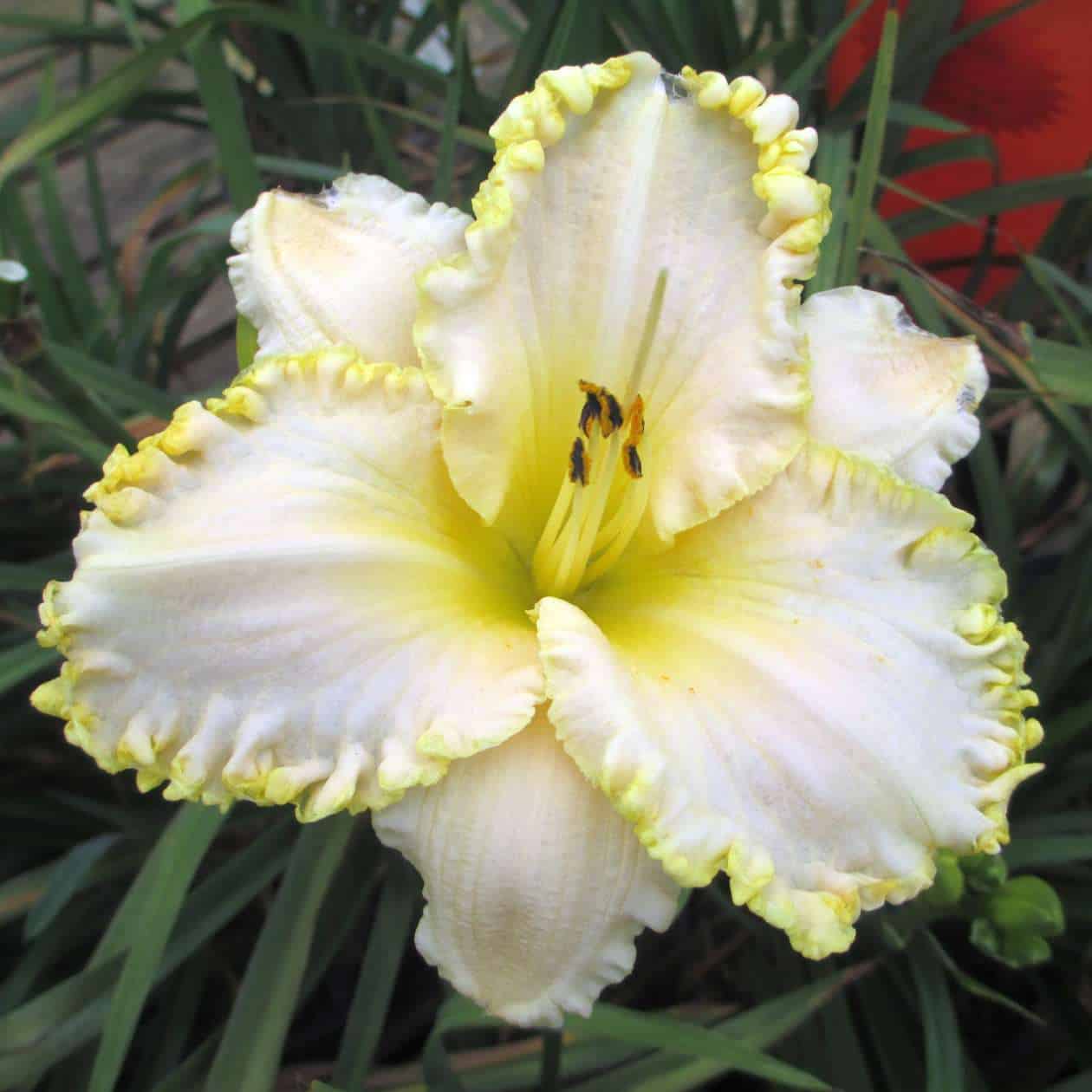
Walk through the gardens right now and it is hard to miss. Daylilies are in full bloom, and if you have never grown them before, this is the time of year that makes the case for why you should.
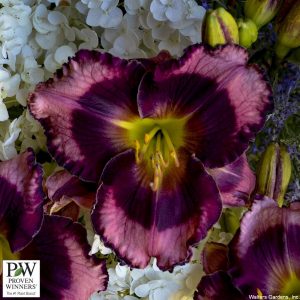
Daylily ‘Storm Shelter’
Why daylilies are such an easy perennial to grow
Part of what makes daylilies such a forgiving plant for new gardeners is how little they ask for. They tolerate a wide range of soil types, shrug off heat that would stress out more delicate perennials, and come back reliably year after year without much fuss. If you have a spot in full sun that has been hard to fill with anything else, there is a good chance a daylily would be perfectly happy there.
How daylily blooms work
The name itself tells you something important. Each individual bloom only lasts a single day. That sounds like a downside until you realize a healthy, established daylily plant produces dozens of buds over the course of its bloom period, so you get a steady rotation of fresh flowers for weeks rather than one big show that is over in a few days.
What to look for in daylily varieties
Right now in the gardens, a few standout cultivars are worth seeking out. Look for varieties with ruffled edges and contrasting eye zones, the band of darker color near the center of the bloom that gives many modern daylilies their depth, like Marque Moon, with its sparkling cream petals and radiating yellow throat, or Storm Shelter, with its mauve petals surrounding a dramatic eggplant purple eye. Color range has expanded dramatically over the years too, well beyond the orange most people picture when they hear the word daylily. You will find soft yellows like Happy Returns, bold red-orange blooms like Desert Flame, deep purples, near-whites, soft pinks, and rich reds all blooming side by side.
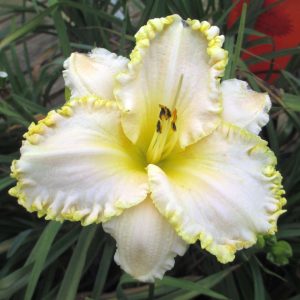
Daylily ‘Marque Moon’
Using daylilies in your landscape
For anyone planning a new bed, daylilies pair well with ornamental grasses like Karl Foerster feather reed grass and little bluestem, along with sun-loving perennials such as coneflowers, black eyed susans, and Russian sage. They are also excellent for filling in slopes or areas where erosion control matters, since their root systems hold soil well.
If you already grow daylilies, this is also the time to be dividing crowded clumps, though that is a job better suited to late summer once the bloom flush has slowed down.
Stop by Hornbaker Gardens to see our daylily collection in full bloom and find new varieties for your garden.